
Anthropic OSS Scanner: free AI security scans for open source
Anthropic's new Cyber Mission starts with OSS Scanner, free model-written vulnerability reports with a patch, and a program for critical infrastructure.
By the AyCode team
Researched and written with AI, edited and approved by Niccolo Bodenstedt.
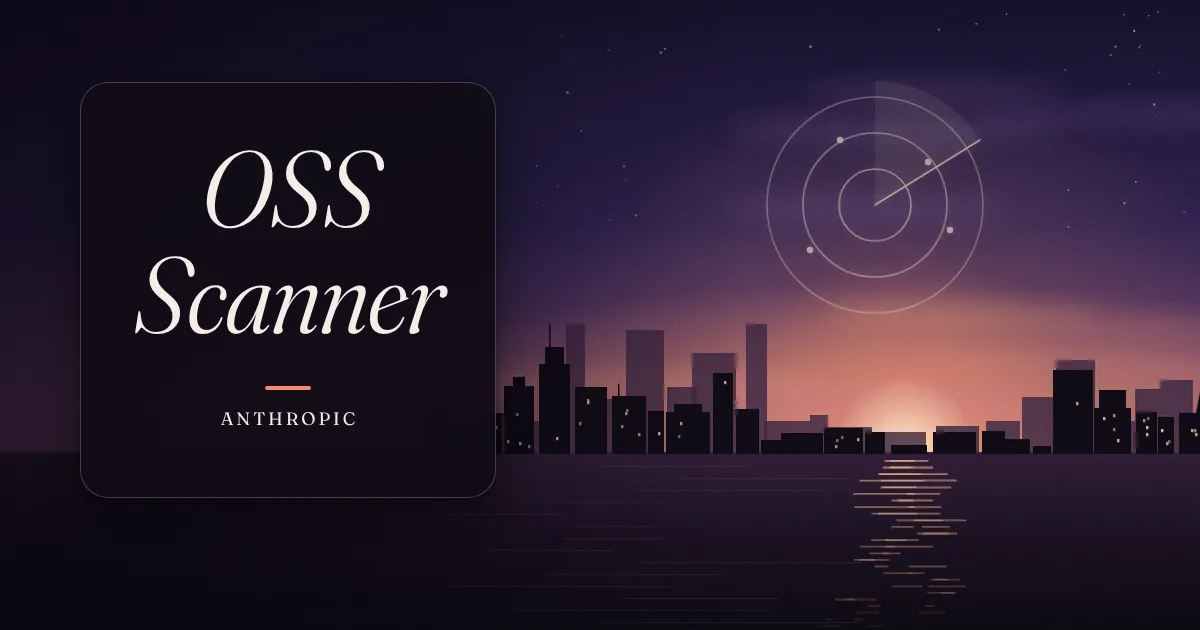
For a long time, AI-written bug reports were mostly noise for open-source maintainers; Anthropic itself calls the old ones "slop". On 8 October Anthropic offered a different deal: OSS Scanner, an opt-in service that scans enrolled projects with its strongest models, Claude Mythos included, and sends the findings for free. It is the first piece of a larger effort Anthropic calls the Cyber Mission.
How OSS Scanner works
- Opt-in, for projects that can keep up. Core maintainers enroll their project with a pull request to Anthropic's
oss-scannerrepository on GitHub: aproject.yamlwith the repository, a contact address and a Dockerfile that builds the project, so the scanning agent can work fully offline. - What arrives: a bundle of reports by email, each with a self-contained reproducer, an explanation, where possible the commit that introduced the bug, and a candidate patch when there is one. After the first scan, new scans follow regularly.
- No human review. The reports are model output, sent without triage. That makes them fast, and Anthropic says plainly that some will be wrong, for example with an inflated severity. Anthropic expects more than 90% of findings to be real.
- Your rules. An optional threat model file tells the scanner what to test, what to ignore, how to rate severity and what a patch should look like. Reports can be PGP-encrypted, and
disabled: truepauses the service. - No disclosure clock. Unvalidated findings carry no 90-day deadline. Only reports a human later validates fall under Anthropic's usual disclosure policy.
Eligibility follows criteria similar to Google's OSS-Fuzz: established projects with a critical impact on infrastructure and user security, decided case by case.
The numbers behind it
All of these are Anthropic's own figures. Over six months its models found more than 29,000 candidate vulnerabilities in widely used projects, of which people could review about 6,000. Nearly 5,000 unreviewed reports went straight to maintainers who asked for everything. In a check of an early version, security testers looked at 97 critical and high findings across 48 projects: 85 (88%) met the bar for disclosure, 11 were real but duplicates, and one was invalid.
The rest of the Cyber Mission
Next to OSS Scanner, Anthropic launched the Critical Infrastructure Defense Program, which brings models, on-site engineers and threat research to the companies that secure power grids, water systems and transport, with eleven founding partners including CrowdStrike, Palo Alto Networks, Dragos and Rockwell Automation. Anthropic also funds foundations behind widely used open source, among them the Python Software Foundation, the Apache Software Foundation and OpenSSF through the Linux Foundation, and it folded Project Glasswing into an expanded Cyber Verification Program for security teams.
Our take
The honest part is the trade-off, and Anthropic names it: faster reports without human review means some noise, and a small project can be buried by it. That is why this is opt-in and aimed at projects that already handle security reports well. For those, a free scan that comes with a reproducer and a patch is a very good deal. The real test is whether the reports keep that quality once hundreds of projects are enrolled.
In AyCode
When a report arrives with a candidate patch, let an agent apply it in its own worktree chat, then use Second opinion in the changes panel. AyCode sends another provider the task and recorded diffs and asks for prioritized findings with file, line and a verdict (how it works). Large diffs may be shortened. Treat the answer as review help and run the reproducer yourself before merging. More on parallel agents and reviews.
Sources
Where every claim in this post comes from. Posts on X are linked, never copied.